
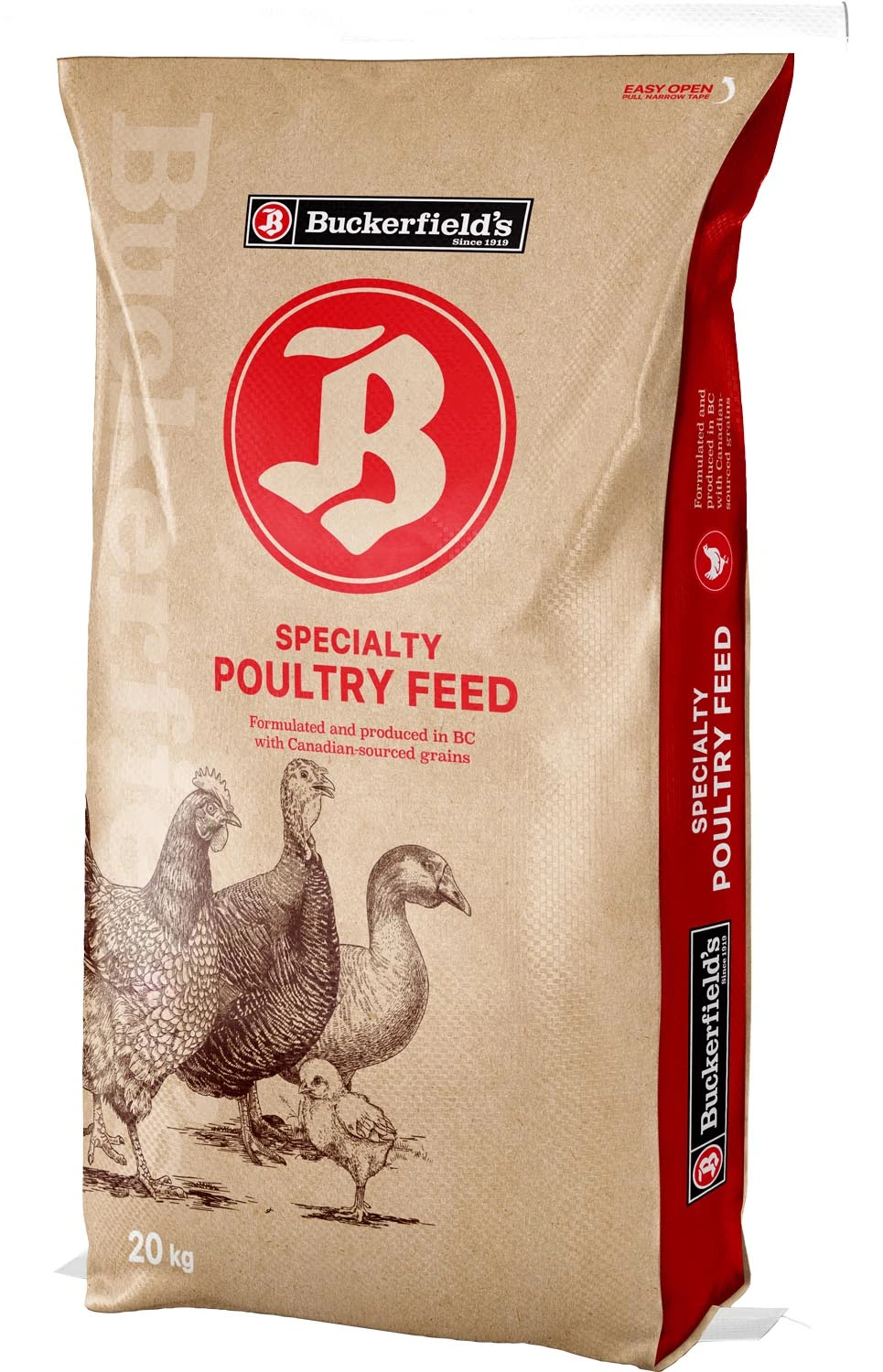
Buckerfield's 20% Chick Starter
20 kg
High-protein crumble for chicks 0–8 weeks. BC milled.
$132.49 CAD
A city-by-city breakdown of urban chicken bylaws across Canada — Vancouver, Toronto, Calgary, and more — plus a practical guide to feeding your first backyard flock.
Avg. Canadian grocery egg price
Keeping backyard chickens has gone from a rural tradition to a quietly mainstream urban hobby. In cities across Canada, more residents are discovering that a small flock of hens fits surprisingly well into a typical residential lot — and produces reliably fresh eggs in the process. If you've been thinking about starting a flock, the first question is usually the same: is it even legal here?
The answer, in most Canadian cities, is yes — with conditions.
Canada has no federal law governing urban livestock. Permissions are set at the municipal level, which means rules vary city by city and sometimes neighbourhood by neighbourhood. The overall trend since the early 2010s has moved decisively toward allowing backyard hens in urban residential zones, driven by food security concerns, sustainability movements, and the simple fact that well-kept hens don't generate more noise or odour than a dog.
Nearly every major Canadian city now permits backyard hens with a permit or registration. Roosters, however, are almost universally prohibited in urban zones — the noise issue is real and the rationale is sound.
BC is arguably Canada's most permissive province for urban chicken keeping. Most municipalities across the Lower Mainland and Interior allow hens outright, with minimal bureaucracy.
City of Vancouver has allowed backyard hens since 2010 — up to 6 hens per property, no permit required, roosters prohibited. Coops must be kept sanitary and set back at least 1 metre from property lines. Vancouver was among the first major Canadian cities to formalize urban hen keeping, and the program has been quietly running without controversy for 15 years.
Burnaby, Surrey, Richmond, New Westminster, Port Coquitlam, and Coquitlam all permit backyard hens under similar conditions — typically up to 4–6 hens, no roosters, coop setbacks from property lines and neighbouring structures. Check each municipality's current zoning bylaws as limits and setback requirements vary slightly.
North Vancouver (City and District) and West Vancouver both allow hens with standard residential zoning conditions.
Abbotsford, while technically in the Fraser Valley rather than Metro Vancouver, permits hens on residential properties — appropriate given that the Fraser Valley is one of BC's most active agricultural regions. Many Abbotsford lots are larger than urban Vancouver properties, which gives chickens meaningful space to range.
Langley (Township and City), Chilliwack, and Mission are similarly permissive, reflecting the agricultural character of the eastern Fraser Valley.
Victoria allows hens in residential zones, and the culture of urban food growing is well-established there. Kelowna, Kamloops, and Prince George all permit hens on standard residential lots with conditions on coop placement.
Toronto has permitted backyard hens since a pilot program launched in 2012 under the name "CluckTO." After years as a pilot, urban hen keeping in Toronto became formally recognized under the zoning bylaw. Up to 4 hens are permitted per residential property, no roosters, and coops must be set back at least 30 cm from fences and neighbouring structures. The program applies to the amalgamated City of Toronto.
Outside the city limits, the GTA picture is patchier:
Ottawa permits backyard hens in residential zones — up to 4 hens, no roosters, coop setbacks apply.
Calgary launched a formal Urban Hen program in 2012 — one of the earlier large-city programs in Canada. Up to 6 hens per property are permitted, no roosters, and a permit is required. The program has been active for over a decade and is well-documented on the city's website.
Edmonton also permits up to 6 hens in residential zones with a permit. Similar conditions to Calgary: no roosters, coop placement rules, and annual permit renewal.
Both cities are flat, have large residential lots by Canadian urban standards, and are relatively accommodating environments for backyard flocks. Winter management (keeping water unfrozen, maintaining coop warmth) is the primary challenge given Alberta winters.
Winnipeg (Manitoba) allows backyard hens with a permit — up to 4 hens per property.
Saskatoon (Saskatchewan) permits hens in residential zones. Regina has historically been more restrictive; verify locally.
Halifax (Nova Scotia) permits hens in most residential zones, reflecting a broader Atlantic Canada interest in urban food production.
Montreal (Quebec) — urban chicken rules in Montreal are set at the borough level, meaning permissions vary across the island. Several boroughs allow hens while others do not. Confirm with your specific borough's bylaws.
Municipal bylaws change. The information above reflects the general state of regulations as understood at time of writing, but specific permit requirements, flock size limits, and coop setback rules can and do get updated. Before purchasing birds or building a coop, always verify current rules directly with your municipality's planning or bylaw department.
Once you're legal, feed is straightforward. Urban hens need exactly the same nutrition as any backyard flock — the urban setting doesn't change the biology.
Day 1–8 weeks (chicks): Start with a high-protein crumble. Buckerfield's 20% Chick Starter is BC-milled and formulated for the rapid early growth chicks need. Feed free-choice — chicks self-regulate intake at this stage.
8–18 weeks (pullets): Transition to a grower. Buckerfield's 18% Poultry Grower Crumble bridges the gap between chick starter and layer feed. The lower calcium of grower feed is important — premature calcium loading can damage kidneys in pre-lay pullets.
Point of lay onward (hens): Switch to a layer pellet when the first eggs appear, typically around 18–20 weeks. Buckerfield's 16% Layer Pellet is the everyday choice for most urban flocks — balanced protein, elevated calcium for shell quality, BC-milled for freshness. High-production breeds or hens pushing through a hard moult may benefit from the 18% version.
Buckerfield's Hen Scratch — cracked corn, wheat, and barley — earns its place as an afternoon treat and foraging supplement. Toss a handful in the run and watch the flock go to work. Keep it to 10% or less of the daily ration; too much scratch dilutes protein and calcium intake from the layer pellet.
Urban chickens frequently have limited run space compared to farm flocks. Nature's Grub Happy Flock — a dried insect, seed, and grain blend — provides both nutrition variety and behavioural enrichment that helps confined birds stay calm and busy.
Even in clean urban coops, red mite and lice are a management reality. A dedicated dust bath is the most natural control — Fresh Coop Dust Bath provides a ready-to-use blend of diatomaceous earth, clay, and herbs. Set it up in a corner of the run or coop; hens will use it instinctively.
Flock size: 3–4 hens is a sweet spot for urban lots. Enough production to be worthwhile (3 good layers will produce 15–20 eggs per week at peak), manageable space requirements, and low enough numbers that a bylaw limit of 4–6 is comfortable.
Coop design: The coop needs to be predator-proof, well-ventilated, and sized to allow roughly 1 square metre of interior space per bird. In BC winters, ventilation is more important than insulation — moisture buildup causes respiratory problems. In Alberta and Manitoba winters, an insulated coop and a heated waterer are practical necessities.
Noise: Hens are quiet. The egg-laying cackle (typically 30–60 seconds) is the loudest sound they make. A healthy backyard flock generates less noise than a medium-sized dog. This is why urban hen bylaws have been politically durable — the complaints simply don't materialize.
Neighbours: Proactive communication with neighbours makes urban chicken keeping much smoother. Fresh eggs as an occasional gift go a long way.
Have questions about getting started or choosing the right feed for your flock? Give us a call at 1-604-791-2246 or email balkanfarms1@gmail.com — we're happy to walk you through what you'll need.
20 kg
High-protein crumble for chicks 0–8 weeks. BC milled.
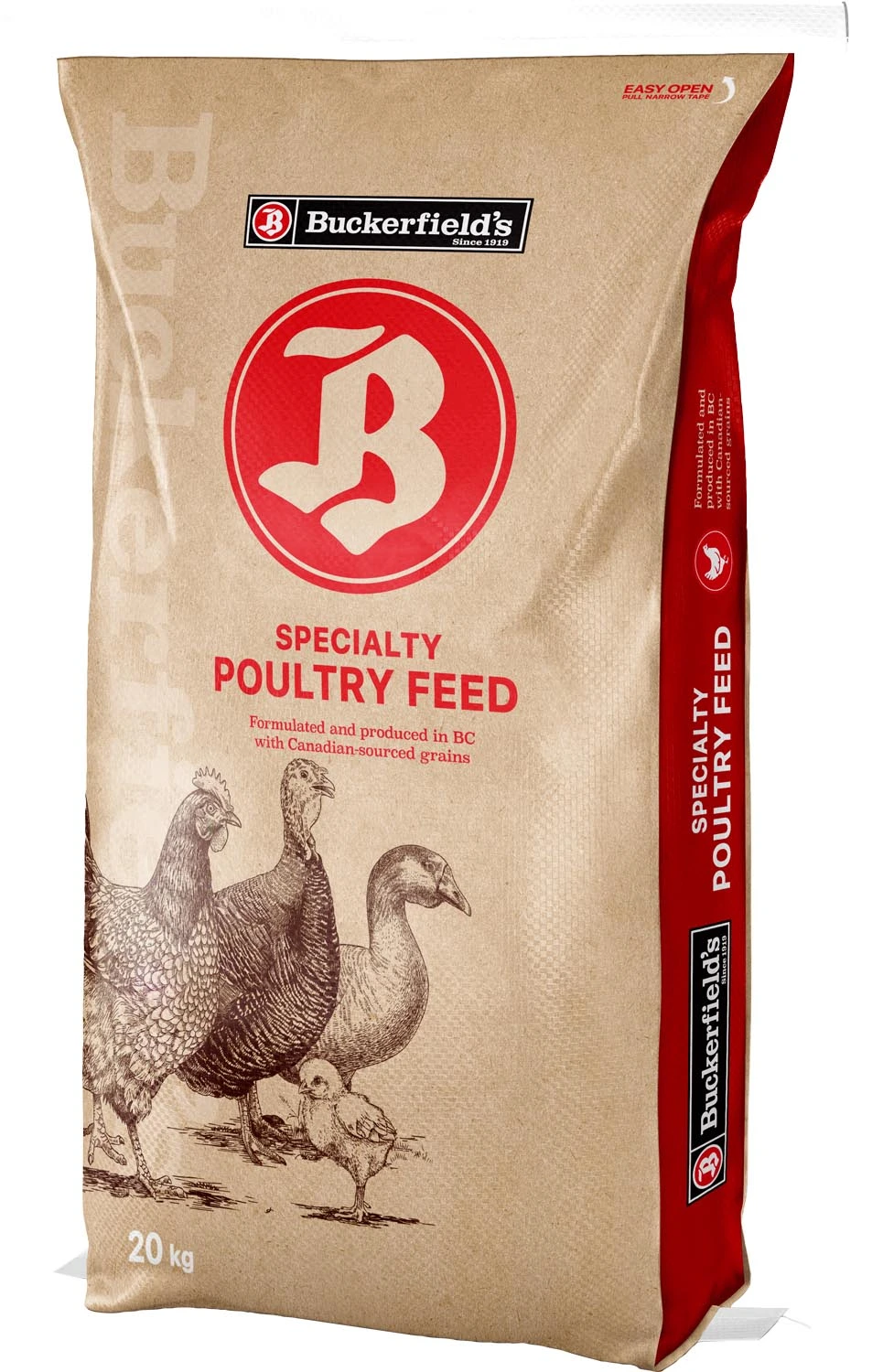
20 kg
Balanced layer pellet with added calcium for strong shells. BC milled.
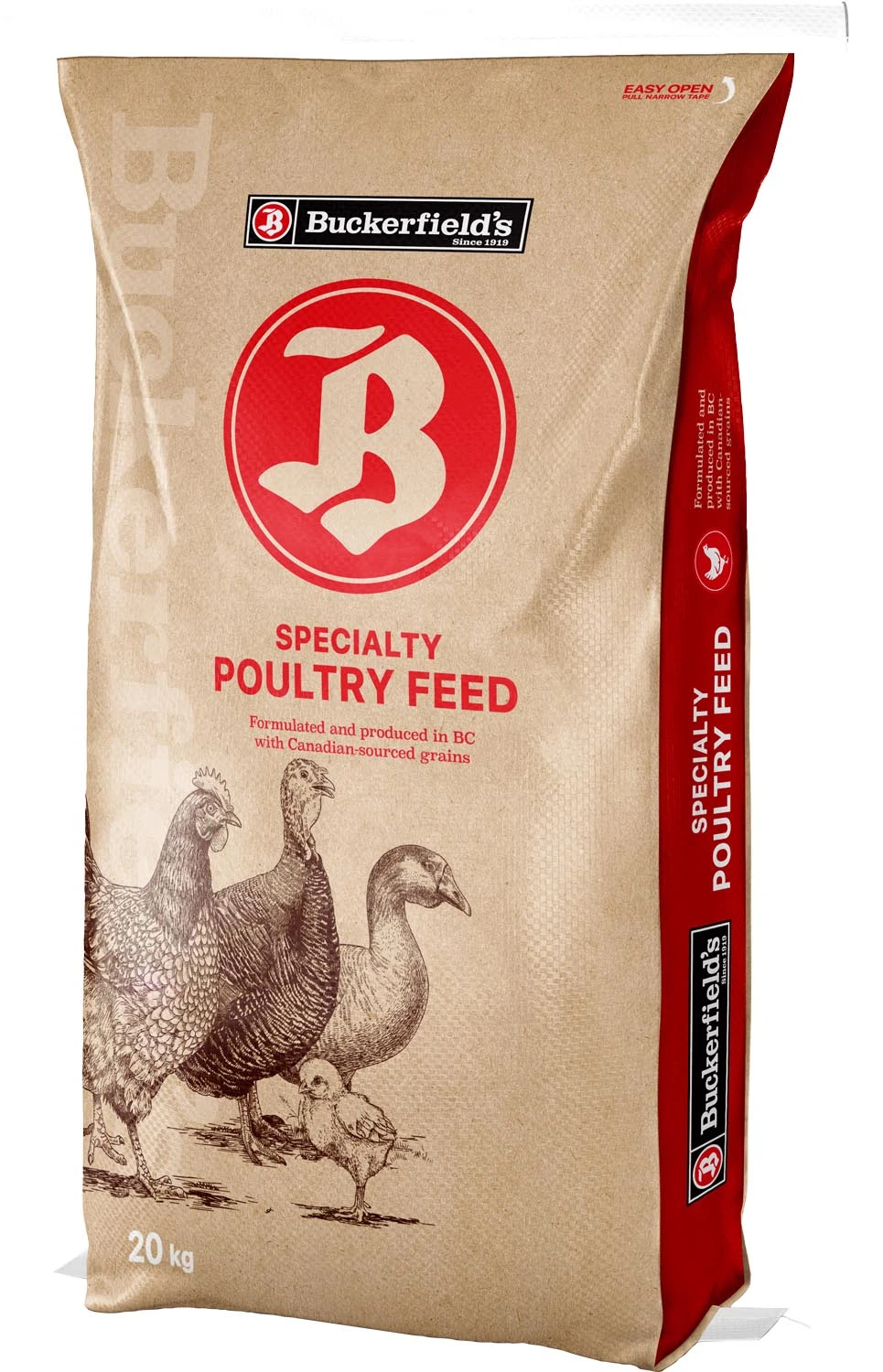
20 kg
Grower crumble for pullets 8–18 weeks. Bridges starter to layer feed.
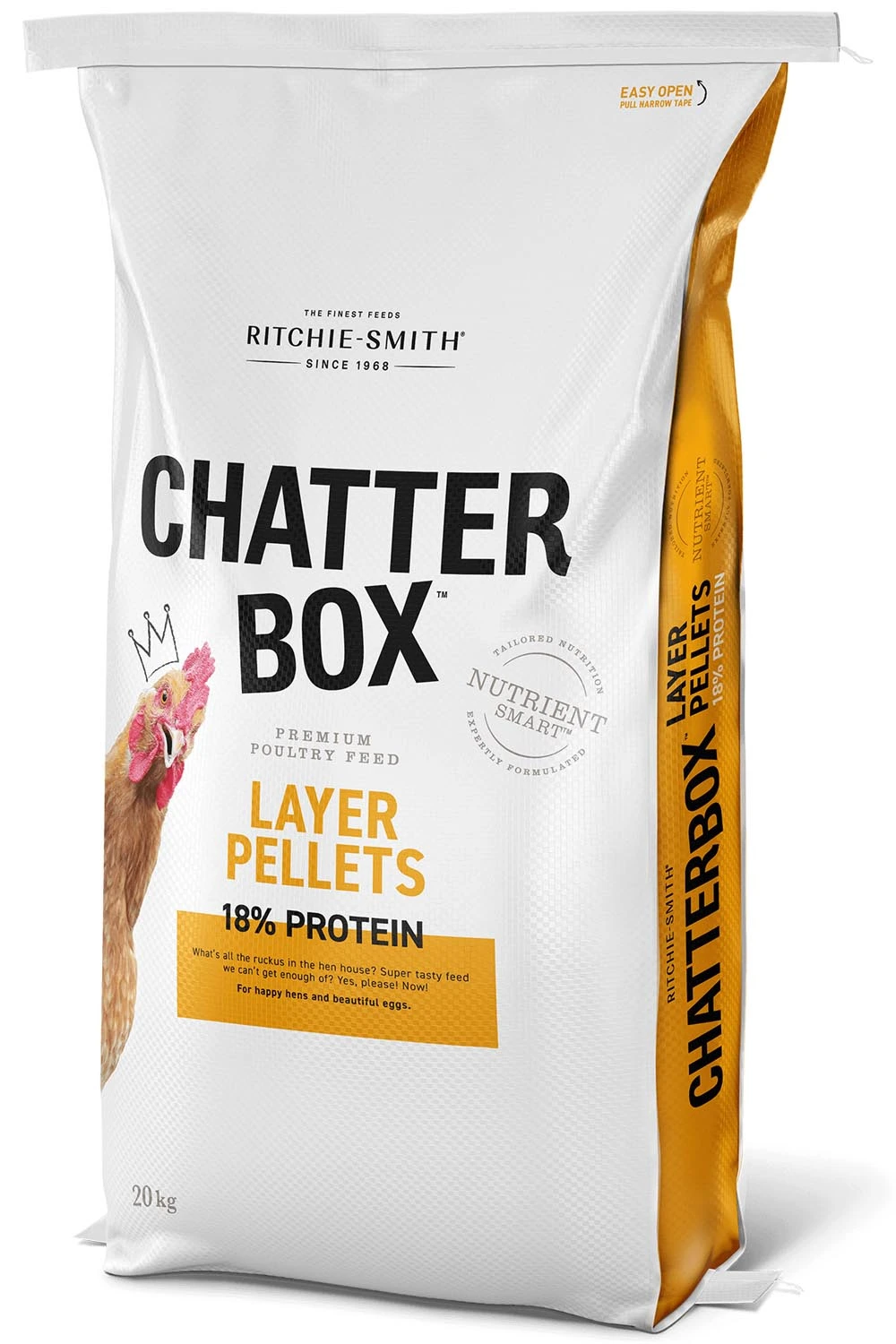
20 kg
Premium 18% protein layer pellet for high-production flocks. BC milled.
Your bag is empty.
Add something good.