
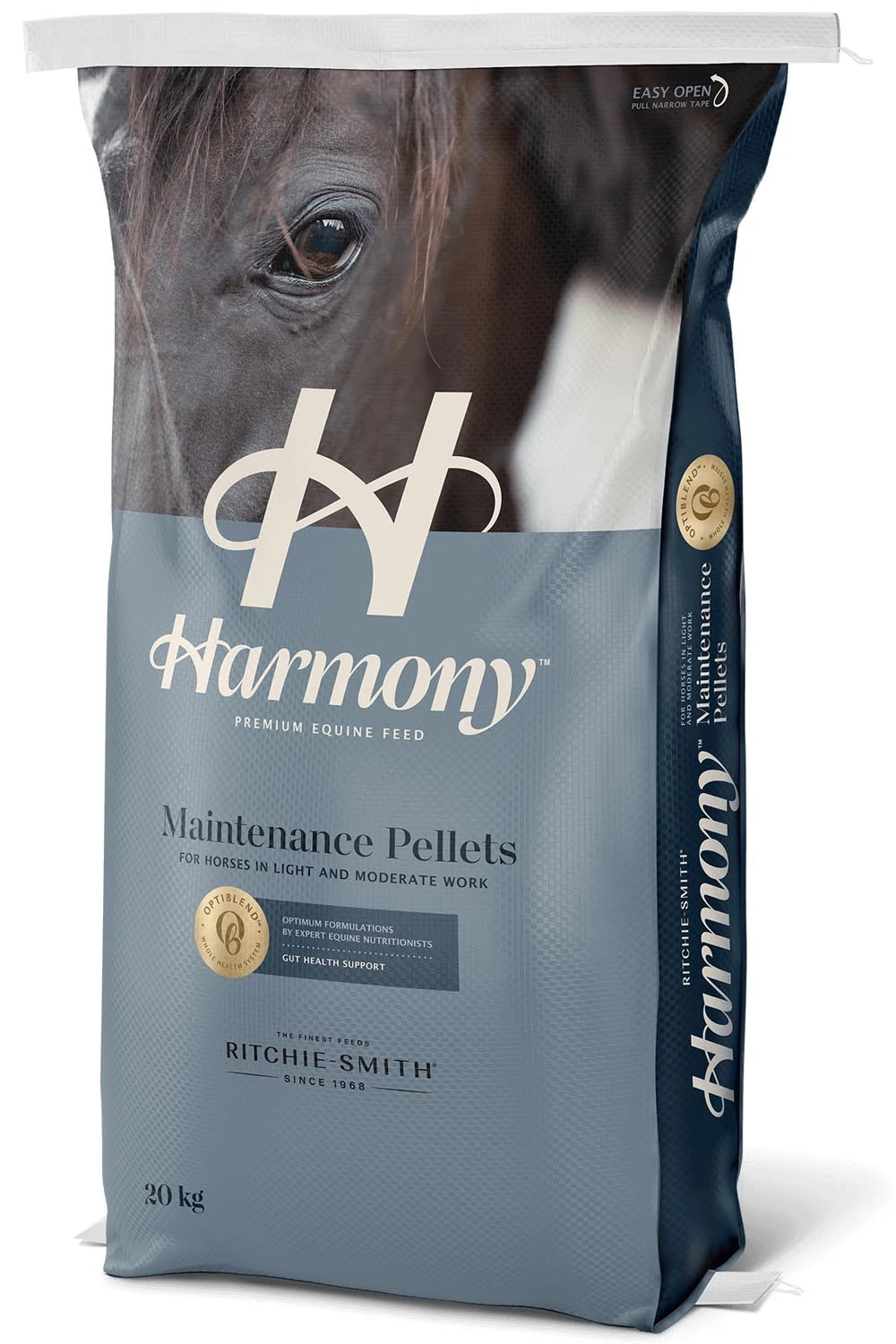
Harmony Equine Maintenance Pellets
Pallet (20×20 kg)
Pallet: 20 × 20 kg bags = 400 kg total. Complete pelleted ration for adult horses at maintenance. BC-milled.
$484.00 CAD
A practical guide to matching horse feed to age, workload, and health status. Covers grain mixes, pellets, senior formulas, and how much to feed a typical BC pleasure horse.
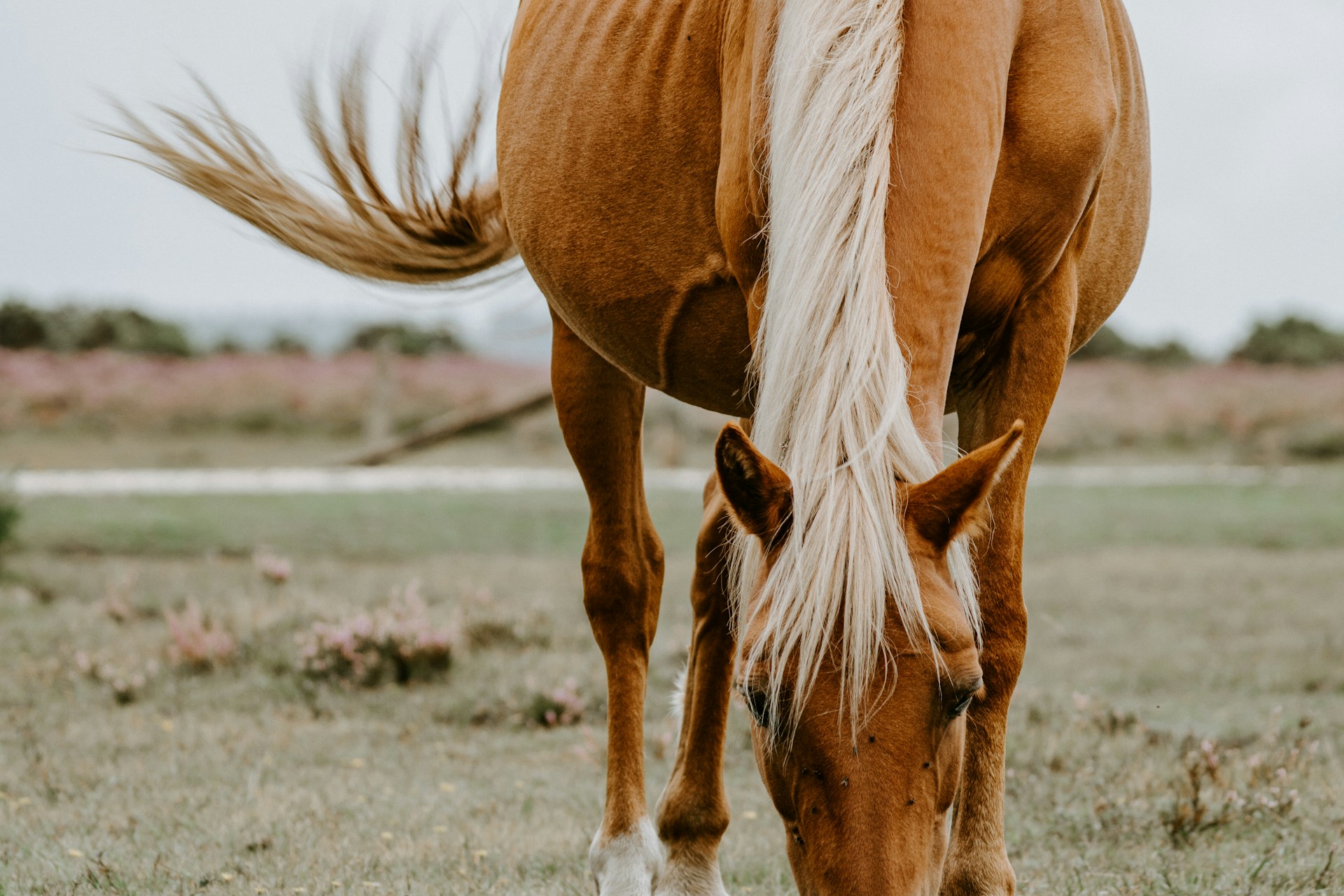
Choosing the right feed for your horse doesn't need to be complicated — but it does require matching the product to the specific horse in front of you. Age, workload, health status, and the forage you're already providing all factor in. Here's what to think through before you buy.
The foundation of any horse's diet is forage — hay, pasture, or both. A healthy adult horse at maintenance needs roughly 1.5–2% of their body weight in forage per day. For a 500 kg horse, that's 7.5–10 kg of hay daily.
Grain and concentrate feeds are supplements to forage, not replacements. If your horse isn't getting adequate hay, no amount of concentrated feed will compensate.
Before evaluating grain options, make sure your forage program is solid.
The biggest variable for most pleasure horse owners is workload:
| Workload | Description | Feed Required |
|---|---|---|
| Maintenance | No regular work | Quality forage may be sufficient |
| Light | 1–3 hours/week trail riding | 1–2 kg concentrate/day |
| Moderate | 3–5 hours/week, some training | 2–3 kg concentrate/day |
| Heavy | Daily work, competition | 3–5+ kg concentrate/day |
A horse doing light trail work 2–3 days per week needs far less supplemental energy than a horse in daily training. Overfeeding concentrates to low-activity horses contributes to laminitis and metabolic issues.
For the majority of pleasure horses in BC, a complete pellet feed like our Complete Horse Feed is the right choice. It provides balanced protein, fat, fibre, vitamins, and minerals in one product. No additional supplements needed for most healthy adult horses.
Feed rate: 0.5–1% of body weight in concentrate daily, split into at least two meals.
Horses 15+ years, horses with poor dental health, or hard keepers who struggle to maintain weight benefit from a senior formula. Senior feeds use highly digestible fibre sources (like beet pulp) instead of grain, and can be soaked into a mash for horses that can't chew hay effectively.
Our Senior Horse Feed can even serve as a forage replacement for horses with severe dental disease — but confirm this with your vet if your horse can't chew hay at all.
Rolled oats remain one of the safest grains for horses — lower starch than corn or barley, and highly palatable for picky eaters. They're useful for adding energy to a diet that's already getting adequate vitamins and minerals from a complete feed or balancer pellet.
Don't use oats as the sole feed. They're a supplement, not a complete ration.
Horses with laminitis, Cushing's disease (PPID), or insulin resistance require low starch and low sugar diets. Standard grain-based feeds are often inappropriate. Consult your vet before choosing a feed, and look for feeds specifically marketed as low-NSC (non-structural carbohydrates).
We carry feeds appropriate for metabolic horses — contact us and we'll help you find the right product for your situation.
A common mistake is feeding too little or too much concentrate. Signs of underfeeding include:
Signs of overfeeding include:
Use a body condition score (BCS) system to assess your horse regularly, and adjust feed accordingly. A healthy adult horse should score 4–6 on a 9-point scale.
When switching feed products, transition over 7–10 days. Mix increasing amounts of the new feed with decreasing amounts of the old:
Rapid feed changes are a leading cause of digestive upset and colic.
Every horse is different. If you're unsure which product is right for your situation, give us a call at 1-604-791-2246 or email balkanfarms1@gmail.com. We're happy to talk through your horse's needs and help you find the right match.
Pallet (20×20 kg)
Pallet: 20 × 20 kg bags = 400 kg total. Complete pelleted ration for adult horses at maintenance. BC-milled.
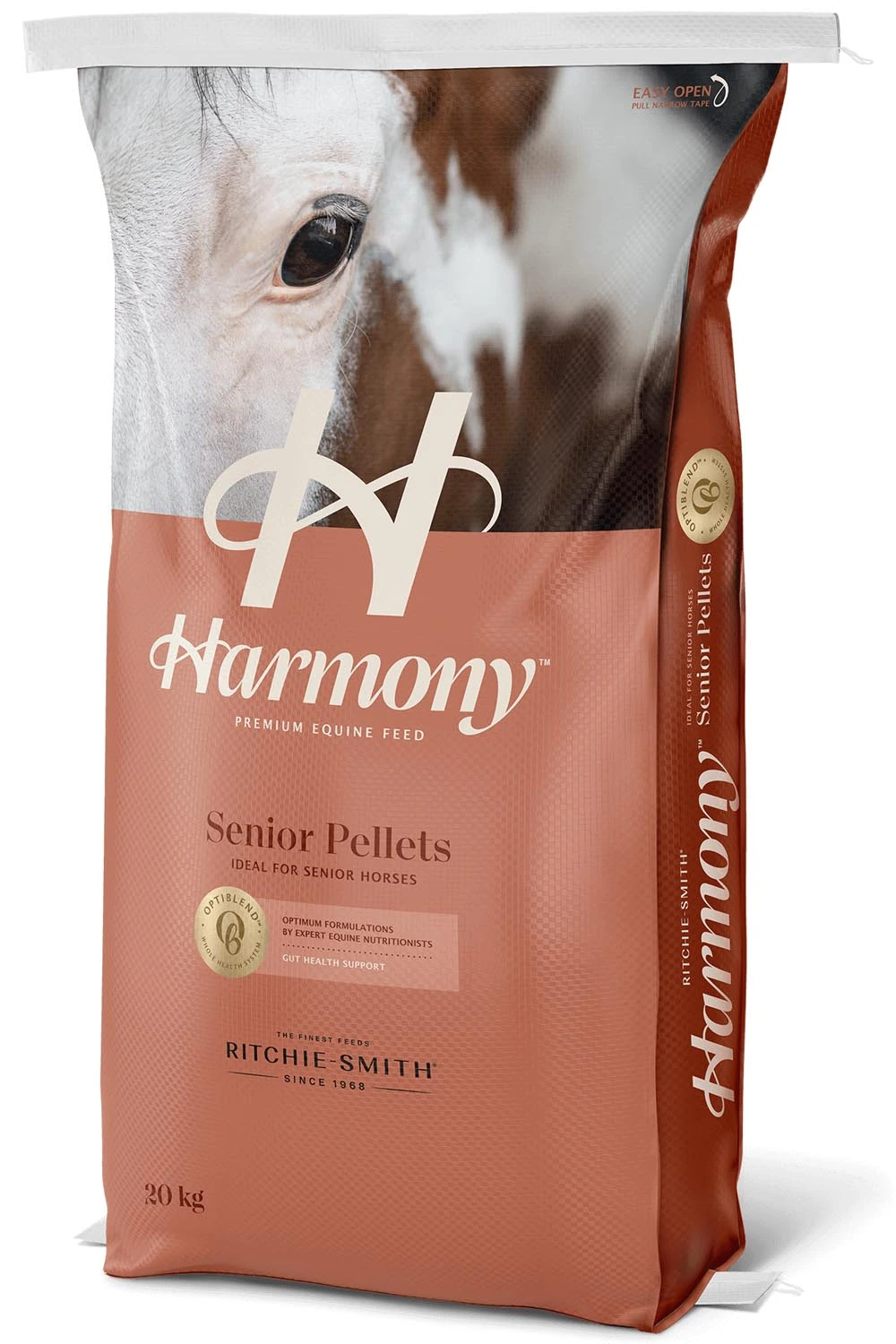
Pallet (20×20 kg)
Pallet: 20 × 20 kg bags = 400 kg total. Highly digestible senior formula for horses 15+ or those with dental issues.
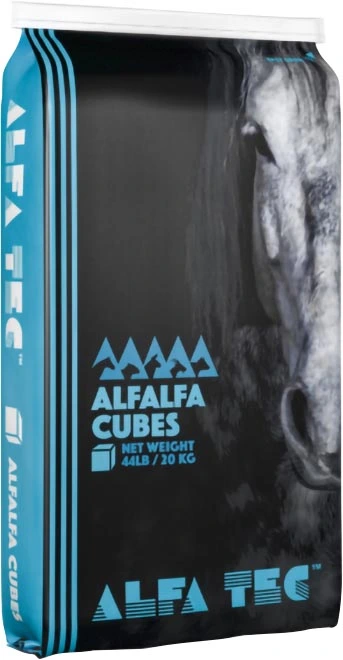
Pallet (20×20 kg)
Pallet: 20 × 20 kg bags = 400 kg total. Compressed alfalfa cubes — high protein and calcium forage supplement.
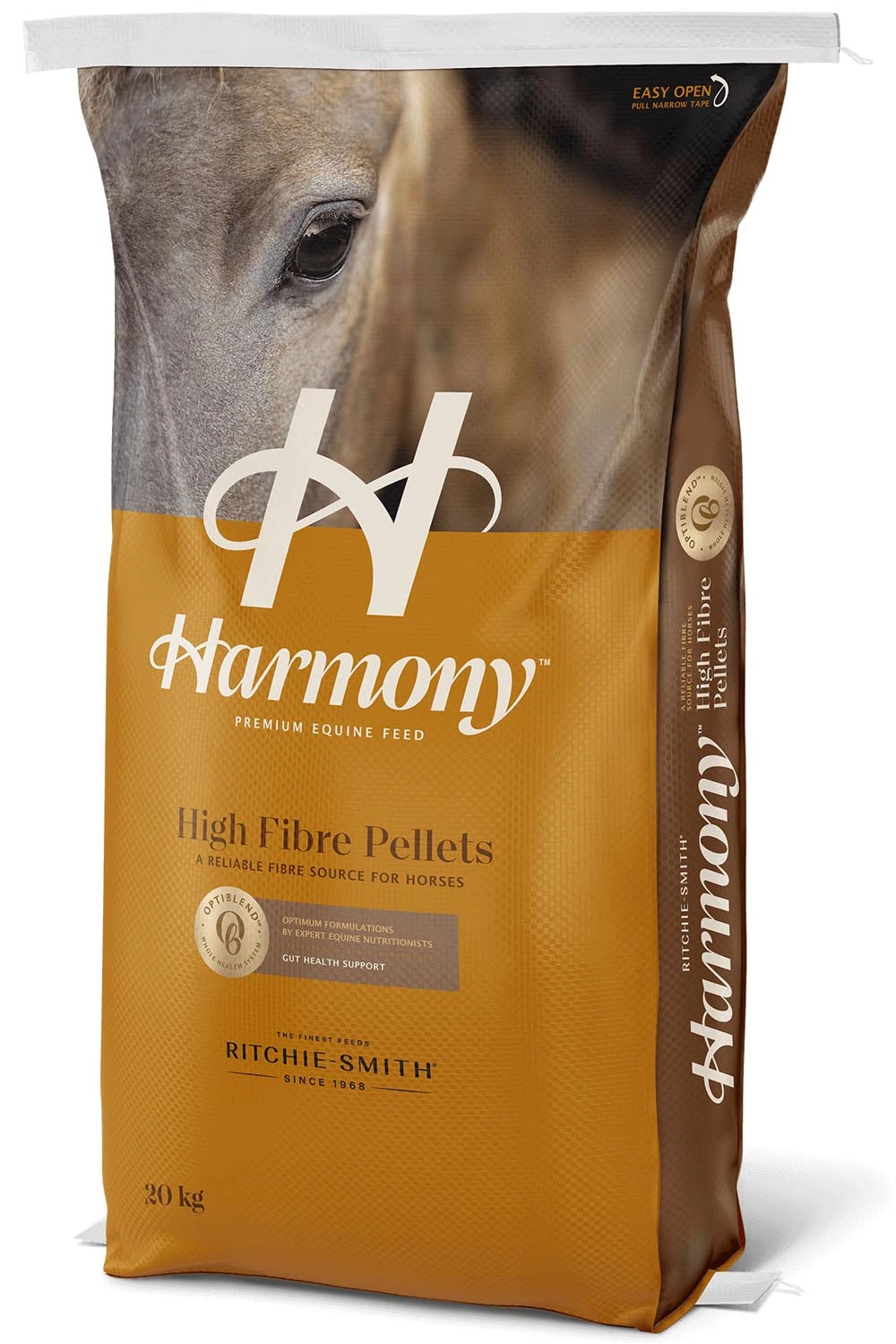
Half Pallet (10×20 kg)
Half pallet: 10 × 20 kg bags = 200 kg total. High-fibre pellet for easy keepers and metabolically sensitive horses.
Your bag is empty.
Add something good.